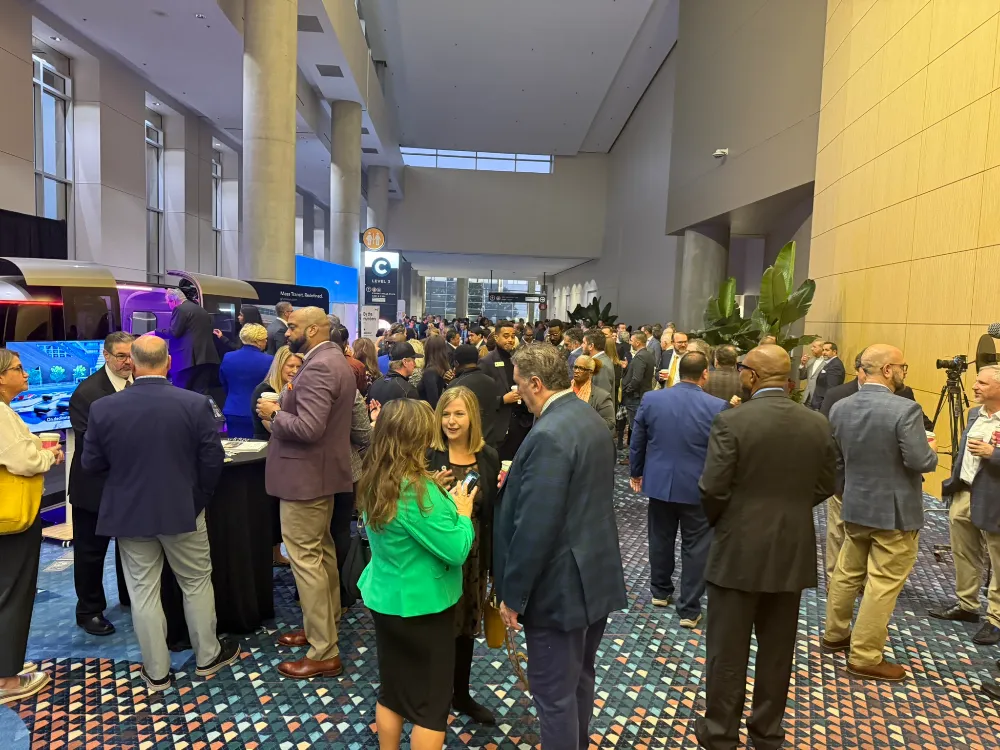

Government agencies and nonprofit organizations operate within complex ecosystems defined by public scrutiny, multi-layered accountability, and transformative missions. Here, traditional event planning falls short. It is not enough to produce a successful gathering by conventional standards. For government and nonprofit sectors, events are not mere occasions—they are strategic assets engineered to achieve measurable business outcomes, maximize ROI, and drive meaningful cultural impact. Too often, organizations overlook the nuanced strategies required in shaping these experiences to serve higher objectives.
Challenging the Conventional Approach to Event Planning
Much of the events industry still centers planning around logistics—venue selection, catering, programming, attendee lists. While these fundamentals matter, for government and nonprofit entities, such a logistics-focused approach is insufficient. This mindset positions events as isolated projects, rather than tools for systemic change and mission achievement. The event then becomes a routine obligation instead of a lever capable of advancing organizational priorities, shaping public perception, or catalyzing stakeholder engagement.
Misalignment often arises between event outcomes and organizational goals. Attendance is measured; impact is assumed. Budgets are allocated without tying spend to targeted returns. Stakeholders gather, but critical narratives or actions fall flat. This disconnect is costly—not only in funding, but also in missed opportunities to further your mission and prove value to constituents, policymakers, boards, and funders.
Event Planning for Government and Nonprofits: A Different Strategy
Redefining Events as Strategic Tools
Government and nonprofit organizations possess a unique mandate: to deliver results that directly serve the public good. At Abstract Elements, we view events for these sectors through a distinct strategic lens. Every gathering—whether a high-profile summit, a policy forum, a fundraising gala, or community engagement campaign—must justify its existence by generating outcomes aligned with agency performance indicators or organizational missions.
We don’t plan events—we engineer experiences. This positioning reframes each decision, from initial visioning through post-event analysis. Every decision is intentional. Every detail has purpose. Programming is crafted not just to inform or entertain, but to provoke action, create alliances, and embed cultural values that persist beyond the event’s conclusion.
The Abstract Elements Perspective: Design for ROI and Impact
Engineering events for government and nonprofits demands multilayered thinking. Physical logistics are just the foundation. Real impact is created at the intersection of intent, program strategy, stakeholder alignment, and measurable results. Here is how Abstract Elements approaches the challenge:
- Business Outcomes First: We begin with a diagnostic process to define what the event must accomplish for the organization. Is the priority policy influence, public education, fundraising, reputation enhancement, or community-building? Only by nailing down these objectives can the event experience be designed as a performance asset.
- Unifying Stakeholders: Government and nonprofit events often need to convene disparate audiences: policymakers, donors, activists, partners, and the public. We craft precisely targeted engagement strategies to harmonize interests, increase alignment, and ensure each attendee group sees their stake reflected in the event narrative.
- Data-Driven ROI: Meaningful investment demands accountability. Abstract Elements ties each element of the experience to quantifiable metrics—outreach reach, engagement rates, post-event actions, or financial impact—providing defensible evidence for stakeholders, oversight agencies, or funders.
- Cultural Engineering: Events serve as inflection points for organizational culture. For sector leadership succession, policy rollouts, or mission refreshes, our approach is engineered to move the internal and external culture forward, embedding values and creating an enduring legacy rather than a transitory moment.
- Strategic Communications Integration: We integrate event strategy with communications, digital, and policy teams to ensure seamless amplification before, during, and after the occasion—driving awareness, reinforcing messages, and generating ongoing narrative momentum.
The Unique Mandates of Government and Nonprofit Events
Unlike corporate events centered on shareholder value or B2B engagement, government and nonprofit events must demonstrate responsible stewardship, inclusive access, and public accountability at every step. Budgets are scrutinized. Objectives are layered: regulatory compliance, public education, donor stewardship, advocacy, or morale-building. Every audience member, from VIPs to grassroots activists, is a potential advocate or critic.
This landscape introduces elevated challenges, requiring a different strategy and discipline. For example:
- Transparency and Trust: Unique reporting obligations and public expectations mean activities must be interpreted through a lens of transparency and integrity. Every design choice signals a value, every message must withstand external scrutiny.
- Resource Constraints and ROI Pressures: Budgets and resources are not just limited; they must be justified publicly. Events have to earn their place in portfolio spend, with outcomes that serve both immediate and multi-year objectives.
- Equity and Inclusion: Representation isn’t window-dressing, but core to mandate. Engineering equitable experiences drives innovation and deeper outcomes—whether through accessible formats, language inclusion, or community-based content.
- Reputation Risk: A single misstep can undermine organizational credibility, jeopardize funding, or impact public policy. Design must anticipate and mitigate reputational risks at every juncture.
Addressing these pressures goes well beyond traditional logistics. Effective event planning for government and nonprofits is a matter of intentional experience design, discipline, and strategic foresight.
Engineering Experiences for Lasting Organizational Advantage
Intentionality at Every Level
Strategically engineered experiences begin long before registration opens and extend well after the last guest departs. From the earliest discussions, every decision is anchored in organizational ambition—translating mission into action, narrative, and measurable result.
At Abstract Elements, we develop event architectures built on rigorous stakeholder mapping, risk analysis, and scenario planning. Agile frameworks allow for real-time adaptation in fluid political or social environments. We anticipate impact—not just activity—delivering results that move performance metrics, reinforce brand, and mobilize communities for action.
Integrating Experience and Outcome
When events are engineered rather than merely planned, they become competitive differentiators. Our work for public sector and nonprofit clients demonstrates how each moment of the attendee journey can reinforce strategic messaging and produce clear outcomes:
- Storytelling with Substance: Programs are curated to create narrative momentum—linking mission, data, and vision to inspire advocacy or investment.
- Designing for Follow-Through: Engagement does not end when the event closes. We design calls to action, volunteer pathways, policy coalitions, or donor touchpoints that extend organizational influence and cultivate lasting support.
- Measuring Success: Each event is debriefed against defined, quantitative and qualitative KPIs, producing insight to optimize future experiences. Feedback loops connect events directly to ongoing organizational strategy, with proven ROI.
Abstract Elements: Beyond Event Planning
Abstract Elements does not just organize—it advances missions. Our team partners with government agencies, foundations, and nonprofit leaders who recognize that events are high-leverage investments demanding strategic discipline. Experience alone is no longer a differentiator. What matters is the outcome: Did the event change minds? Influence policy? Advance funding? Strengthen partnerships and public trust?
We approach each brief as a challenge in precision engineering. We interrogate assumptions, establish performance frameworks, and tie creative decisions directly to organizational priorities. Results are not left to chance. They are deliberately built into the architecture of every experience.
Paving the Way for Strategic Transformation
For government and nonprofit organizations, event planning must transcend logistics. The stakes are too high, and the expectations too great, for a rote approach. Events should be engineered as strategic assets—vehicles for delivery of mission, achievement of organizational objectives, and generational cultural impact.
As new challenges arise and accountability for ROI deepens across the government and nonprofit sectors, the pressure mounts for organizations to justify every investment and deliver measurable results. Abstract Elements is committed to leading this transformation—building experiences that are more than moments in time, but catalysts for enduring change and strategic advantage. The future of event planning lies in purposeful engineering, with every decision driving intentional progress toward a more impactful mission.